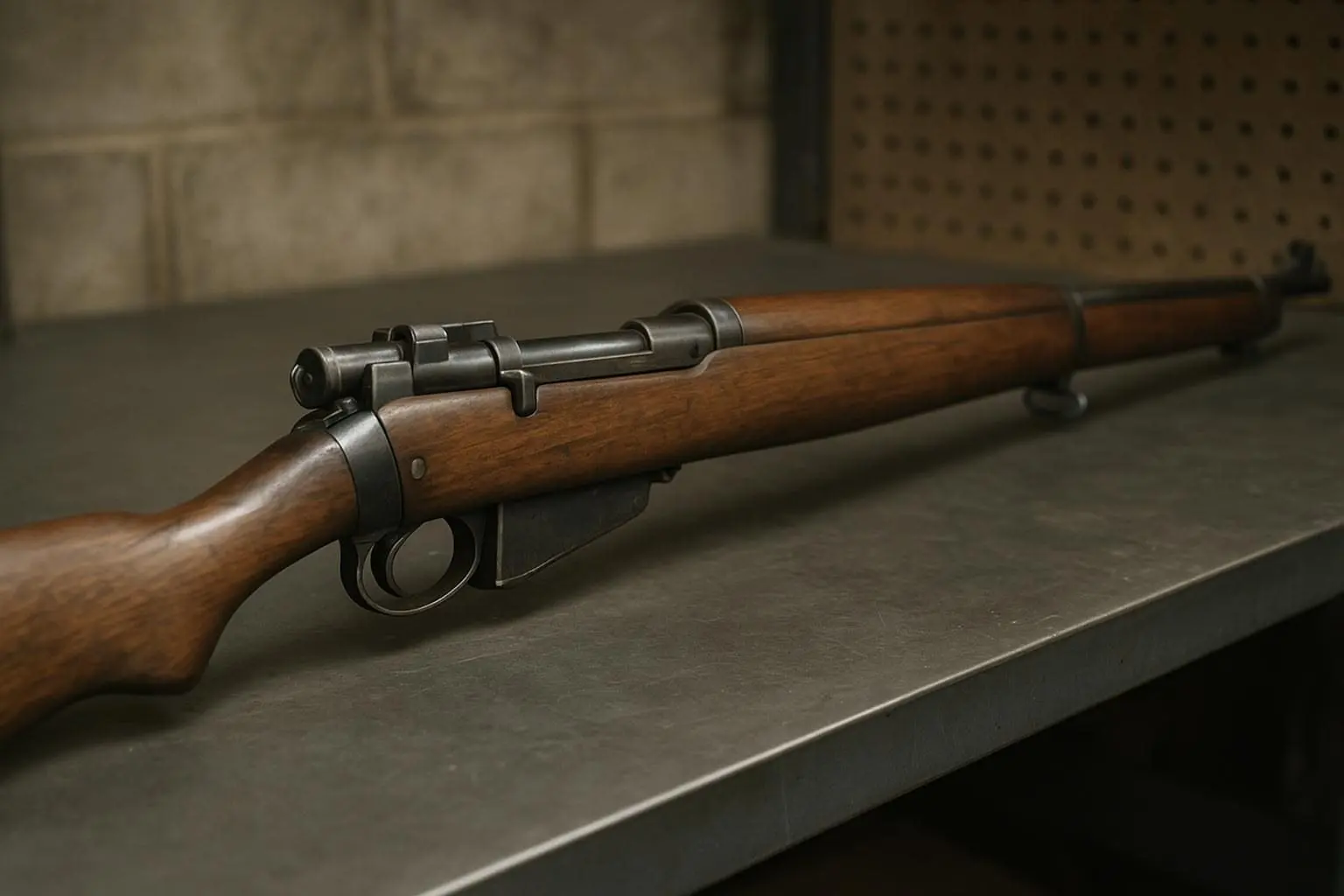
Understanding the Lee-Enfield Magazine Cut-Off: A Key Component with a Rich History
The magazine cut-off on a Lee-Enfield rifle is often ignored,. The magazine cut-off tells a clear story about the design ideas of the Lee-Enfield and how the Lee-Enfield was meant to be used. This small metal plate, placed on the Lee-Enfield's receiver decides whether ammo is taken from the magazine and put into the chamber. Though the magazine cut-off lacks decoration the magazine cut-off is key to shaping how the Lee-Enfield was intended to fight in the field.
The Role of the Cut-Off in Historical Context
In its development the Lee-Enfield came from a time when military planners wanted a balance between fire and careful ammo use. The Lee-Enfield's detachable magazine let soldiers keep ammo for moments while the magazine cut-off let them load one round at a time without putting a round from the magazine into the chamber. This design choice came from doctrine not from a need allowing troops to use ammo wisely and to fire only when truly needed.
When looking at a Lee-Enfield the link between the magazine, magazine cut-off bolt and chamber is essential. A fault in any one of these parts can change how the others work showing why careful inspection of the Lee-Enfield is necessary.
Practicality of the Design
The Lee-Enfield has a locking bolt action that helps the Lee-Enfield cycle fast letting shooters fire the Lee-Enfield quickly without losing their aim. The magazine cut-off plays a part in controlling how ammo moves from the magazine to the chamber. Seeing how these parts of the Lee-Enfield work together means looking at the Lee-Enfield not as a pile of pieces but as a finely tuned machine.
Inspection is vital: the magazine cut-off should move freely the magazine should line up right. The bolt should run smoothly without obstruction. If anything feels wrong-whether the magazine cut-off feels stiff there is much play or resistance is odd-it is vital to stop handling the Lee-Enfield and to get help from a gunsmith. Mismatched or changed parts can make a simple problem look big.
Evidence of Service Life
rifles like the Lee-Enfield carry marks from hard service-exposed to the weather handled roughly cleaned many times and fired with ammo from many suppliers. This wear can cause changes, replacements or even the loss of parts over time making any surviving Lee-Enfield a mix of its past work.
The condition of the magazine cut-off can show a lot about the Lee-Enfield's past. A magazine cut-off that looks good may show that the Lee-Enfield was used as it was meant to be.. Signs of wear or changes may show that the Lee-Enfield was used differently or repaired many times. Collectors should look at these details with care-none of them means the Lee-Enfield is unsafe or not valuable. Always separate knowing from judging when looking at a Lee-Enfield's condition.
Misunderstandings by Modern Owners
In shooting people can misunderstand the magazine cut-off. New owners often think the magazine cut-off is useless or broken especially if they do not know its job. Some may wrongly treat the magazine cut-off as a safety device or a permanent switch, which can cause mistakes.
Before checking the Lee-Enfield it is vital to make sure the Lee-Enfield is fully unloaded. This means taking out the magazine when it can be taken out opening the action and looking at the chamber by eye and by touch. Never rely on where the magazine cut-off sits or if the magazine looks empty to keep safe.
When getting the Lee-Enfield to a gunsmith keep it unloaded and put it safely away from ammo following rules. A protective case gives safety while moving the Lee-Enfield but does not replace basic safety steps.
Valuing the Cut-Off in Professional Inspections
Gunsmiths watch the Lee-Enfield closely during a check. The magazine cut-off will be looked at for how it fits and moves and any damage it has will be written down. How the magazine cut-off and bolt work together is studied, well as the overall state of the Lee-Enfield's receiver, for any cracks or bad fixes.
To help with the check owners can write a note that includes:
– The Lee-Enfield's serial numbers and markings taking care not to clean over old patina or wear which could be important.
– Proof that the Lee-Enfield has been personally checked and is unloaded.
– Observe how the cut‑off works looking for any stiffness looseness, odd sounds or visible damage but do not try to fix it yourself.
Include magazines and any other accessories only if they can be carried safely and can be identified clearly. Still do not oil, polish or test any parts before a professional checks them.
From Military Design to Collectible Insight
The Lee‑Enfield's cut‑off is more than a part of the rifle; it shows the balance of design and rules of use that were important in its time. This small piece tells how soldiers were meant to handle their bullets and also shows why modern collectors and owners might misunderstand it.
For collectors the cut‑off gives a clue about the rifle's past and how it was used. For technicians the cut‑off is a piece of a complex system that must work together. If you own a Lee‑Enfield especially if it is new to you be careful: make sure the rifle is unloaded and think about a check, by a gunsmith before trusting only how it looks. The Lee‑Enfield's lasting fame and importance come from the engineering of even the tiniest parts of its design.